
Sometimes Demanding, Sometimes Eagerly Cooperative (50-60 Months)
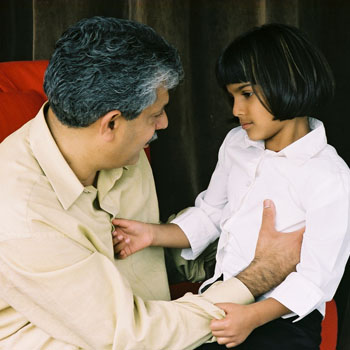
Preschoolers gain more control over their unpredictable emotional responses by age 4, but they’re still struggling to manage their feelings of defiance. They may disobey family rules, talk back, or behave badly to irritate their caregivers. Misbehavior in children this age is more conscious than when they tested their physical and developmental limits as toddlers. Despite these changes, […]
Wants to Please Friends (49-59 Months)

For 4-year-olds, friends aren’t just playmates – they’re examples of different behaviors, values, and ways of life. Preschoolers want to invite their friends to their houses to show off their homes, families, and possessions. More than anything, they want to please their new companions, and they may experiment with new behaviors to fit in. References: Shelov, […]
More Likely to Agree to Rules (48-59 Months)
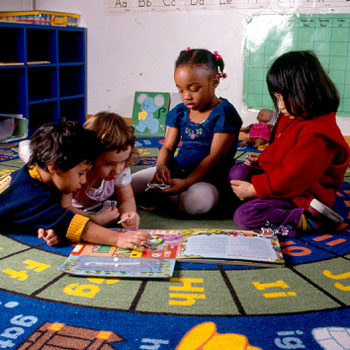
Children still have a simplified sense of morality as they approach their fifth birthdays, but they are exploring the concepts of good and bad. Determined to please their parents and escape punishment, they rigidly obey rules, whether or not they agree with or understand them. Preschoolers need help understanding the difference between misbehavior and accidents. References: Shelov, […]
Views Self as a Whole Person–Body, Mind, and Feelings (40-49 Months)
Three-year-olds are gradually learning to use pronouns such as “I,” “me,” “mine,” and “you.” Although they’re still struggling to comprehend where their bodies, possessions, and authorities end and someone else’s begin, they are beginning to understand that their parents and caregivers are separate people with individual feelings and needs. References: Shelov, S. P. (Editor-in-Chief). (2004). […]
Begins to Negotiate Solutions to Conflicts (38-48 Months)
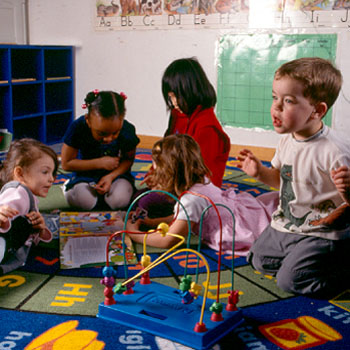
As children gain an understanding of and appreciation for the feelings and actions of others, they will gradually stop competing and learn to cooperate when playing with friends. Often, they can work out their own solutions to disputes by taking turns or trading toys. They learn to use words to describe their feelings and apologize when […]
Shows Increasingly Independent Behaviors (36-51 Months)
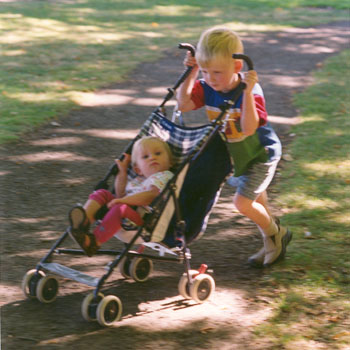
Preschoolers are becoming increasingly independent and want to make more of their own choices. Eager to prove how capable and self-sufficient they are, they run ahead of caregivers on walks, insist on choosing their own clothes or meals, and begin to challenge authority. References: Shelov, S. P. (Editor-in-Chief). (2004). Caring for Your Baby and Young […]
Five Steps of Emotion Coaching
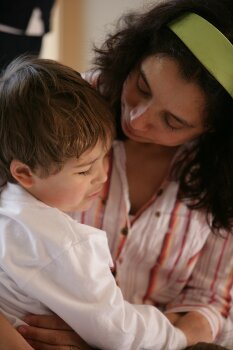
Emotions…we all have them. Everything we do and everything we learn is shaped in some way by the way we feel. Feelings are a natural part of who we are. But how do children learn about emotions? How do they learn to understand their sadness or joy? What is appropriate behavior when these feelings are […]
Cooperates More with Other Children (36-50 Months)
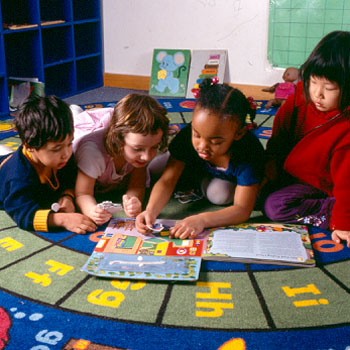
Preschoolers enjoy the company of other children and interact with them instead of playing side by side like they did as toddlers. This shift happens naturally for 3-year-olds because they spend most of their playtime in fantasy activity, which tends to be more cooperative than play that focuses on toys or games. As they learn to […]
Demonstrates an Increasing Ability to Share (36-48 Months)

Although sharing is a foreign concept for toddlers, many preschoolers are gaining an understanding of and appreciation for the feelings and actions of others. If they are encouraged to share and taught that others are entitled to an equal turn, preschoolers are more likely to ask for a toy politely instead of grabbing, whining, or screaming […]
Capable of Dressing and Undressing Self (36-48 Months)
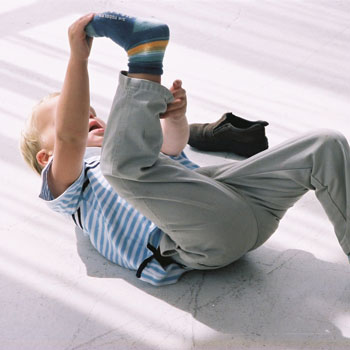
Coordination and the ability to use their hands are almost fully developed by age 4, and preschoolers are gradually learning basic self-care skills. They can now dress and undress without assistance and brush their teeth; some children may even be able to lace their shoes. References: Shelov, S. P. (Editor-in-Chief). (2004). Caring for Your Baby and […]