
Draws a Person with Body, Some Details (53-57 Months)
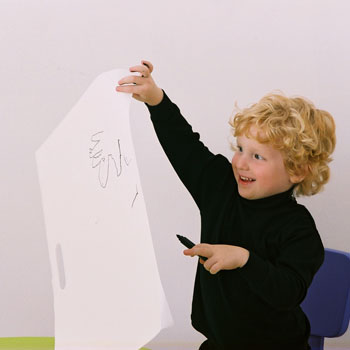
During their fifth year of life, preschoolers’ coordination and ability to use their hands is almost fully developed, and they become more interested in arts and crafts. Their drawings of people now include some details, such as eyes, a nose, and legs, and they decide what they want to draw in advance (rather than naming their […]
Stands on One Foot for Ten Seconds or Longer (52-58 Months)
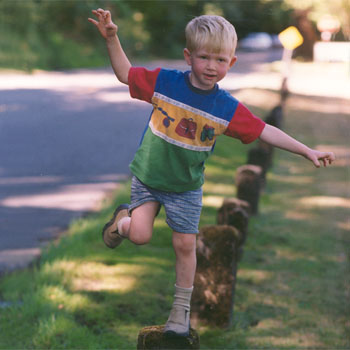
Four-year-olds have the coordination and balance of adults and can stand on one foot for ten seconds or longer. They hop, climb, and swing easily and confidently and now have the muscular strength to turn somersaults and complete a standing broad jump. References Shelov, S. P. (Editor-in-Chief). (2004.) Caring for Your Baby and Young Child: […]
Hops, Somersaults, Swings, and Climbs (51-59 Months)
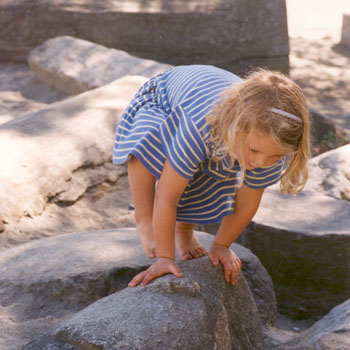
Four-year-olds have the coordination and balance of adults and demonstrate their skills by descending stairs without the handrail, standing on one foot, and pumping themselves on swings. They run, hop, and climb easily and confidently and now have the muscular strength to turn somersaults or execute a standing broad jump. References Shelov, S. P. (Editor-in-Chief). (2004.) […]
Capable of Dressing and Undressing without Assistance (50-60 Months)
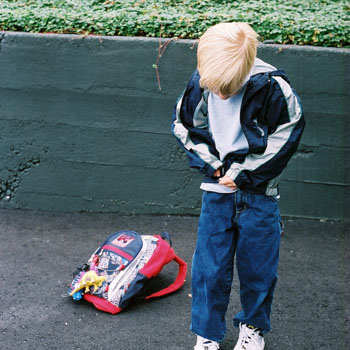
During their fifth year of life, preschoolers’ coordination and ability to use their hands is almost fully developed, and they become more independent. They can now brush their teeth and dress themselves without assistance and may be able to lace their shoes. References Shelov, S. P. (Editor-in-Chief). (2004.) Caring for Your Baby and Young Child: Birth […]
Copies Triangles, Squares, and Other Geometric Patterns (49-60 Months)
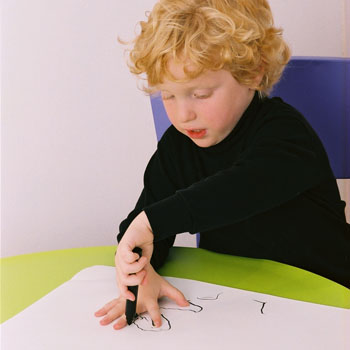
During their fifth year of life, preschoolers’ coordination and ability to use their hands is almost fully developed, and they become more interested in arts and crafts. They are now capable of copying more complex geometric patterns, such as stars, diamonds, triangles, and squares. References Shelov, S. P. (Editor-in-Chief). (2004.) Caring for Your Baby and Young […]
Can Move Forward and Backward with Ease (42-51 Months)
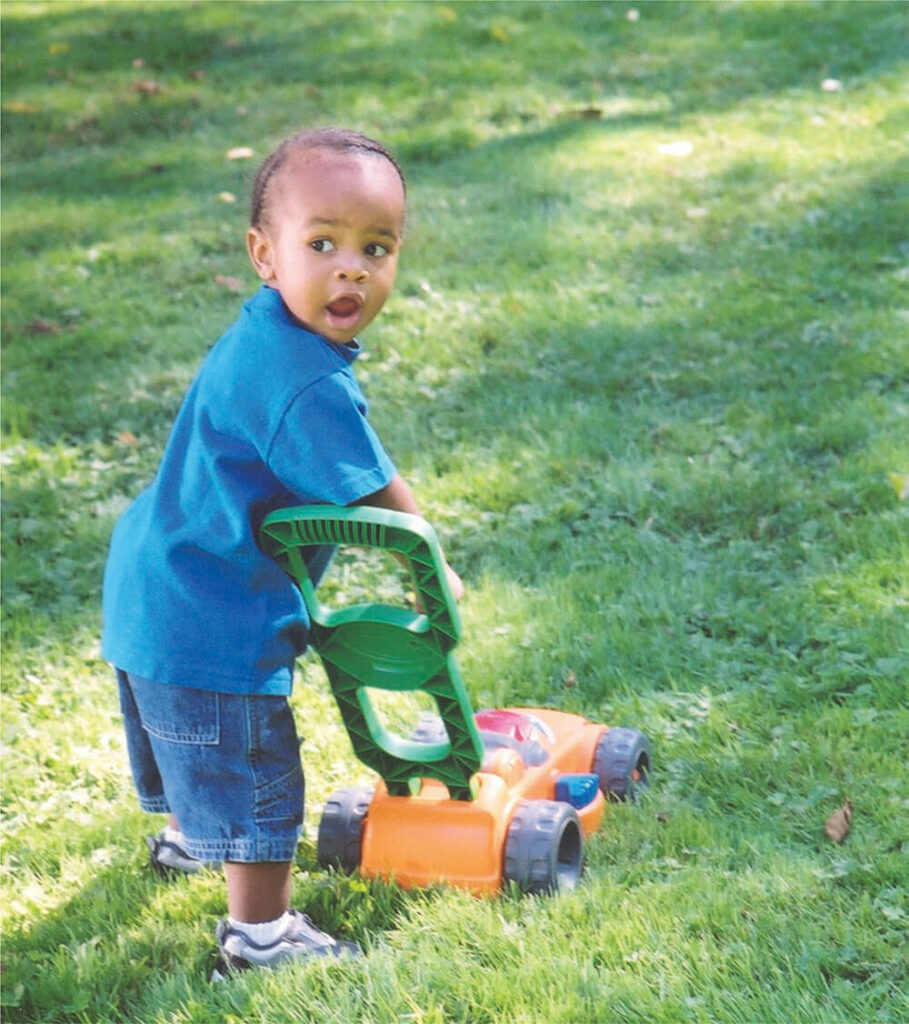
By age 3, preschoolers have well-developed large motor skills. When learning to walk, most toddlers have difficulty moving backward. At this stage, children can now move forward and backward with ease, whether they are navigating stairs or walking backward. References Shelov, S. P. (Editor-in-Chief). (2004.) Caring for Your Baby and Young Child: Birth to Age […]
Can Throw a Ball Overhand (42-49 Months)
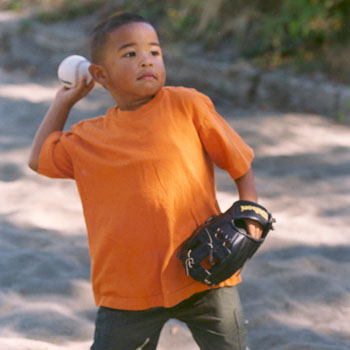
By age 3, preschoolers have developed large motor skills enough to participate in organized games and some sports. Many are now capable of throwing a ball overhand, although it demands more concentration than routine activities like walking and running. References Shelov, S. P. (Editor-in-Chief). (2004.) Caring for Your Baby and Young Child: Birth to Age […]
Draws a Person with Two to Four Body Parts (41-50 Months)
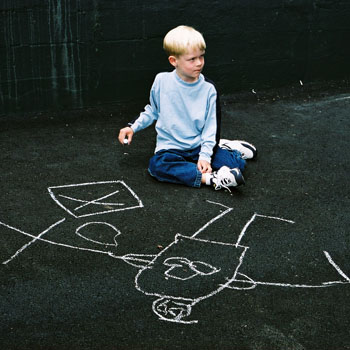
Children develop muscular control and concentration to master some precise hand and finger movements during their fourth year of life. Most can now grasp crayons and pencils with the thumb on one side and fingers on the other, as adults do, and can trace squares, copy circles, and draw a person with two to four body […]
May Begin to Copy Some Capital Letters (41-48 Months)
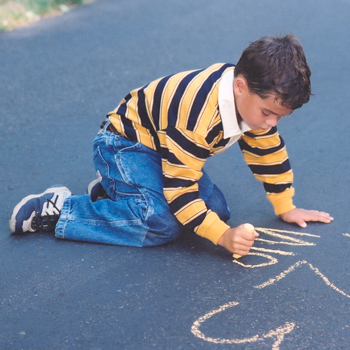
At this age, children are developing both muscle control and concentration that will help them master more challenging finger and hand movements. References Shelov, S. P. (Editor-in-Chief). (2004.) Caring for Your Baby and Young Child: Birth to Age 5. The American Association of Pediatrics. Revised edition. New York: Bantam Books.
Goes Up and Down Stairs without Support (40-48 Months)
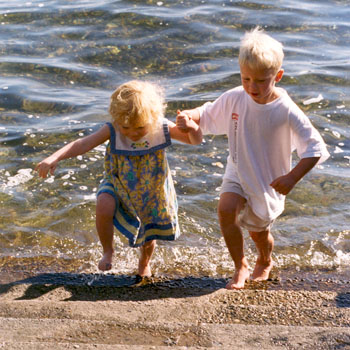
By age 3, preschoolers have developed the large motor skills to control and direct many of their movements. Many are now comfortable walking up and down stairs without support, jumping, and walking backward. References Shelov, S. P. (Editor-in-Chief). (2004.) Caring for Your Baby and Young Child: Birth to Age 5. The American Association of Pediatrics. […]