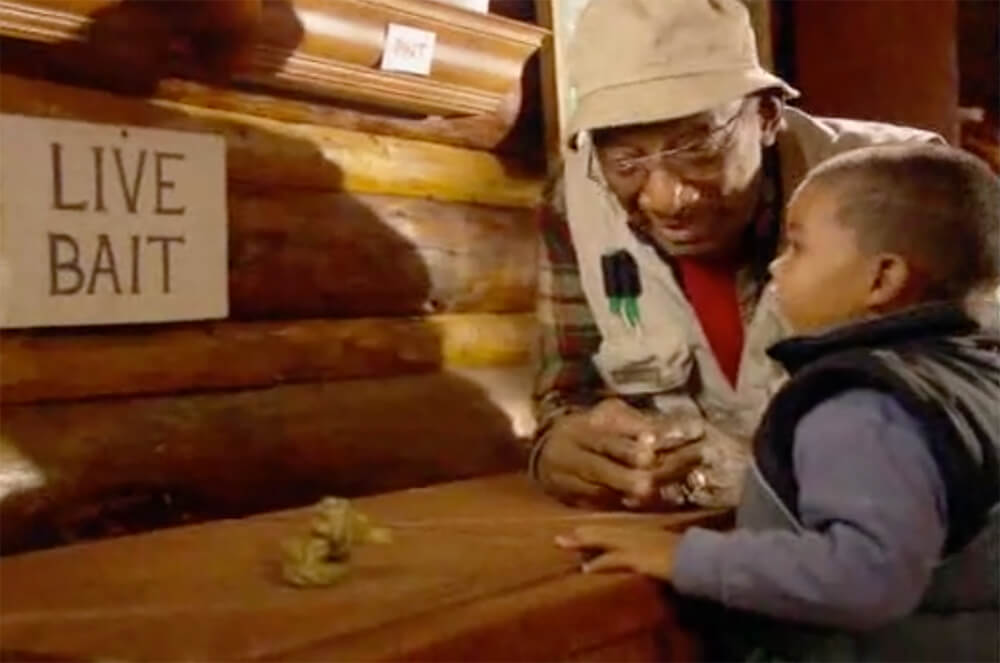

A partir de una edad temprana, muchos niños comienzan a tratar de comprender los letreros, etiquetas, logotipos e impresiones que ven regularmente a su alrededor. En realidad, no están leyendo, pero están utilizando su creciente conocimiento del mundo y su interacción con los adultos para dar significado a algunas de las palabras familiares que ven.
Archivos Adjuntos
Referencias
Clay, M. M. (1993). An observation survey of early literacy achievement. Portsmouth, NH: Heinemann.
Fingon, J. C. (2005). The words that surround us. Teaching Pre K-8, 35(8), 54-55.
Goodall, M. (1984). Can four year olds «read» words in the environment? Reading Teacher, 37(6), 478-482.
Goodman, Y. (1986). Children coming to know literacy. In W. H. Teale & E. Sulzby (Eds.), Emergent literacy: Writing and reading (pp. 1-14). Norwood, NJ: Ablex.
Hiebert, E. H. (1978). Preschool children’s understanding of written language. Child Development, 49(4), 1231-1234.
Kuby, P., & Aldridge, J. (2004). The impact of environmental print instruction on early reading ability. Journal of Instructional Psychology, 31(2), 106-114.
Teale, W. H., & Sulzby, E. (1986). Emergent literacy as a perspective for examining how young children become writers and readers. In W. H. Teale & E. Sulzby (Eds.), Emergent literacy: Writing and reading (pp. vii-xxv). Norwood, NJ: Ablex.
Westwood, P. (2004). Learning to read. In Reading and learning difficulties: Approaches to teaching and assessment. London: David Fulton.
Whitehurst, G. J., & Lonigan, C. J. (1998). Child development and emergent literacy. Child Development, 69(3), 848-872.